
“Leading with the Heart,” a PDF by Coach K, details essential leadership principles for building successful teams, emphasizing trust, commitment, and a shared vision.
Published August 25, 2015, this resource offers practical advice gleaned from Coach K’s storied career, focusing on fostering a positive and productive team environment.
Overview of the PDF and its Core Principles
Coach K’s “Leading with the Heart” PDF, available via coachingclipboard.org, presents a comprehensive guide to leadership, moving beyond tactical strategies to focus on the human element of team building. The document champions the idea that genuine leadership stems from fostering strong relationships built on mutual respect and unwavering commitment.
Core principles highlighted include prioritizing “we” over “I,” actively demonstrating the value of every team member, and cultivating a culture of trust where individuals feel safe to take risks and learn from failures. The PDF stresses the importance of honor, integrity, and avoiding overly restrictive rules that stifle initiative. It’s a blueprint for creating a sustainable leadership structure, emphasizing the development of future leaders within the team and a focus on individual strengths.

The Importance of Team Dynamics
Effective team dynamics, as outlined in the PDF, are crucial for success, requiring individuals willing to collaborate and be coached for collective achievement.
Recruiting Individuals for Team Success
Coach K stresses the importance of recruiting not just talented individuals, but those genuinely willing to be part of a cohesive team. This goes beyond skill sets; coachability is paramount.
He advocates for seeking players and staff who embrace a collective mindset, understanding that individual brilliance is amplified within a supportive, unified group. The PDF highlights that a willingness to learn and adapt is a key indicator of a successful recruit.
Prioritizing individuals who value “we” over “I” from the outset lays the foundation for strong team dynamics and a shared commitment to achieving common goals. This foundational principle shapes the entire team culture.
The Power of “We” vs. “I” in Leadership
Central to Coach K’s philosophy is a deliberate shift in language, immediately adopting plural pronouns. He urges leaders to consistently use “our” instead of “my,” and “we” instead of “I,” fostering a sense of shared ownership and responsibility.
This linguistic change isn’t merely symbolic; it fundamentally alters the perception of leadership, moving away from a singular, authoritative figure towards a collaborative, team-oriented approach.
Leadership, according to Coach K, isn’t a solo act but a plural endeavor. This emphasis on “we” cultivates unity, strengthens bonds, and reinforces the idea that success is achieved through collective effort, not individual glory.
Demonstrating “We’re All Important”
Coach K stresses the vital importance of ensuring every team member feels valued and heard. He advocates against monopolizing discussions, particularly in meetings, and actively encourages contributions from all individuals.
This practice isn’t about simply allowing participation; it’s about deliberately creating space for diverse perspectives and demonstrating genuine respect for each team member’s insights.
By actively soliciting input from everyone, leaders reinforce the principle that “we’re all important,” fostering a more inclusive and collaborative environment where individuals feel empowered to share their ideas and contribute to the team’s success.
Building Trust and Commitment
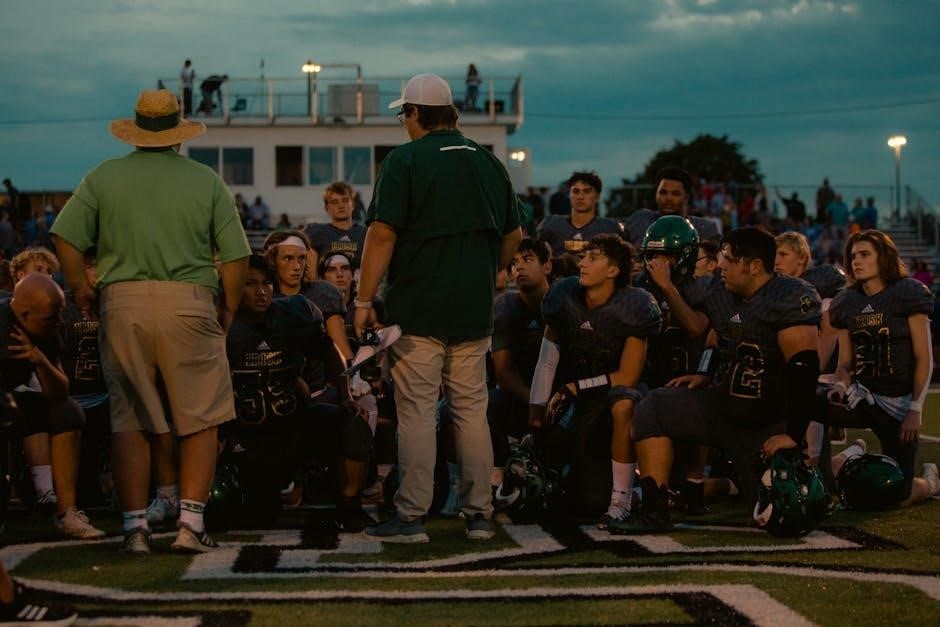
Trust and mutual commitment are foundational elements, enabling teams to overcome fear of failure and achieve collective goals, as highlighted in Coach K’s guide.
Fostering Mutual Commitment to Overcome Fear
Coach K emphasizes that a strong sense of mutual commitment within a team is paramount to conquering the fear of failure. This isn’t about eliminating fear entirely, but rather creating an environment where individuals feel supported enough to take risks and learn from setbacks.
When team members are genuinely committed to one another and a shared objective, they are more likely to persevere through challenges. This commitment acts as a buffer against the paralyzing effects of fear, allowing for greater creativity, resilience, and ultimately, success. Building this commitment requires consistent effort, open communication, and a genuine belief in each team member’s potential.
The Role of Trust in Team Cooperation
According to Coach K’s principles, the level of cooperation within any team is directly proportional to the level of trust that exists among its members. Trust isn’t simply a nice-to-have; it’s a foundational element for effective teamwork and achieving collective goals.
When individuals trust one another, they are more willing to share ideas, offer constructive criticism, and collaborate openly. This fosters a sense of psychological safety, allowing team members to take risks and innovate without fear of judgment. A high-trust environment unlocks the full potential of the team, leading to increased productivity and stronger results.

Leadership Practices from Coach K
Coach K’s leadership emphasizes time management, stressing honor and integrity, and avoiding excessive rules to preserve leadership latitude for optimal team performance.
Time Management for Individuals and Groups
Effective time management, according to Coach K, isn’t solely about individual productivity; it’s crucial for the entire group’s success. He advocates teaching time management skills applicable to both personal schedules and collective team activities.
This involves structuring meetings efficiently and ensuring everyone understands their responsibilities and deadlines. Prioritization is key, allowing the team to focus on the most important tasks first.
By mastering time, a team can minimize wasted effort, reduce stress, and maximize its potential for achievement. It’s about creating a rhythm that supports both individual growth and collective goals, ultimately fostering a more focused and productive environment.
Stressing Honor and Integrity
Coach K firmly believes that honor should be stressed in all things, forming the bedrock of a successful and respected team. Integrity isn’t merely about avoiding rule-breaking; it’s about consistently demonstrating strong moral principles in every action and decision.
This commitment to ethical conduct builds trust, both within the team and with external stakeholders. A team operating with honor attracts respect and fosters a positive reputation.
It creates an environment where individuals feel safe, valued, and motivated to perform at their best, knowing they are part of something bigger than themselves – a team built on unwavering integrity.
Avoiding Excessive Rules and Maintaining Leadership Latitude
Coach K cautions against becoming a team of “I got’chas,” emphasizing that too many rules can stifle creativity, initiative, and genuine leadership. Excessive regulations create a restrictive environment, hindering a leader’s ability to adapt and respond effectively to dynamic situations.
Preserving leadership latitude is crucial. A leader needs the freedom to make nuanced decisions, based on context and individual needs, rather than being bound by rigid protocols.
This flexibility fosters trust and empowers team members, demonstrating confidence in their judgment and encouraging them to take ownership of their roles.

Supporting Your Team
Establishing a family support system is vital, akin to preventative care against jealousy, and fostering personal connections through open communication is paramount.
Creating a Family Support System
Coach K stresses the importance of building a robust support network within the team, likening it to a preventative measure against the corrosive effects of jealousy. This isn’t merely about professional collaboration; it’s about fostering genuine care and concern for each team member’s well-being.
He advocates for practical steps, such as distributing laminated cards containing contact information for all players and staff. This simple act encourages team members to reach out to one another during times of need, creating a safety net and reinforcing the sense of unity.
This proactive approach demonstrates a commitment to the individuals beyond their roles, solidifying the “family” dynamic and strengthening the bonds that underpin team success.
The Value of Personal Connection and Communication
Beyond strategic plays and skill development, Coach K’s philosophy in “Leading with the Heart” highlights the critical role of genuine human connection. He emphasizes the power of a simple gesture – believing in a handshake – as a symbol of trust and commitment within the team.
This extends to actively encouraging open communication, facilitated by readily available contact information for all members. By fostering an environment where individuals feel comfortable reaching out, leaders can proactively address concerns and strengthen relationships.
These personal touches cultivate a sense of belonging and demonstrate a genuine investment in each team member’s well-being, ultimately enhancing team cohesion and performance.

Developing Your Staff
Coach K advocates for cultivating future leaders within your assistant coaching ranks, encouraging continuous learning and growth to elevate their potential.
He stresses tailoring roles to individual strengths, rather than forcing pre-defined job descriptions.
Cultivating Future Leaders Among Assistants
Coach K firmly believes that all assistants should possess the ambition and vision of becoming top leaders themselves. This aspiration fuels their desire for continuous learning and professional development, ultimately benefiting the entire team.
By fostering this mindset, you create an environment where assistants are proactively seeking opportunities to grow, contribute, and refine their skills. It’s about empowering them to envision their own leadership paths and providing the support necessary to achieve those goals. This proactive approach ensures a pipeline of capable individuals ready to step up when needed, strengthening the long-term sustainability of the leadership structure.
Tailoring Roles to Individual Strengths
Coach K stresses the importance of avoiding rigid, “ready-made” job descriptions. Instead, roles should be thoughtfully carved out to specifically align with the unique strengths and capabilities of each team member. This personalized approach maximizes individual contributions and fosters a sense of value and ownership.
Recognizing and leveraging individual talents isn’t about fitting people into pre-defined boxes; it’s about creating roles that allow them to thrive and excel. By tailoring responsibilities, you unlock potential and build a more dynamic and effective team, where everyone feels empowered to contribute their best work.

Growth and Evaluation
Annual appraisals and rotating responsibilities are crucial for team development, according to Coach K, ensuring continuous improvement and preventing stagnation within the group.
Annual Appraisals and Responsibility Rotation
Coach K strongly advocates for a consistent annual appraisal and reevaluation process within any team structure. This isn’t merely a performance review, but a dedicated time for honest reflection and constructive feedback, fostering individual and collective growth.
Furthermore, he emphasizes the value of rotating responsibilities amongst team members. This practice serves multiple purposes: it broadens skill sets, prevents monotony, and cultivates a deeper understanding of the team’s overall objectives.
By regularly shifting roles, individuals gain new perspectives and appreciate the contributions of others, strengthening team cohesion and adaptability. This dynamic approach ensures sustained development and prevents complacency.
Focusing on Strengths, Not Weaknesses
Coach K’s philosophy centers on a powerful principle: never allow an individual’s weaknesses to overshadow their strengths. He believes that true leadership involves identifying and nurturing the unique talents each person brings to the team.
Instead of dwelling on areas needing improvement, focus energy on maximizing existing capabilities. This approach not only boosts individual confidence but also allows team members to contribute in ways that are most impactful.
By capitalizing on strengths, a team can achieve greater synergy and overcome challenges more effectively. This positive reinforcement fosters a culture of growth and empowers individuals to excel.

The Architecture of Leadership
Coach K advocates for building a sustainable leadership structure, ensuring the team’s success isn’t solely reliant on one individual – the “hub” of the wheel.
Building a Sustainable Leadership Structure
Coach K stresses the importance of creating a robust “architecture of leadership” within a team, moving beyond reliance on a single figure. This structure ensures continuity and resilience, safeguarding against disruption should a key leader become unavailable.
The goal is to distribute leadership responsibilities, fostering a collective ownership of the team’s vision and goals. This isn’t about diminishing the head coach’s role, but rather about empowering others to step up and contribute meaningfully.
By cultivating multiple leaders, the team becomes less vulnerable to setbacks and more capable of navigating challenges effectively. A well-designed leadership structure sustains the team’s momentum, even when faced with adversity, ensuring long-term success.
Running Your Own Race: Individuality within the Team
Coach K emphasizes that while teamwork is paramount, each member should be encouraged to “run their own race.” This acknowledges and celebrates individual strengths and unique contributions. It’s about recognizing that a team isn’t simply a collection of identical parts, but a diverse group where each person brings something special.
This approach fosters a sense of ownership and accountability, motivating individuals to excel in their specific roles. It also allows for greater flexibility and adaptability, as team members can leverage their distinct skills to overcome challenges.
Ultimately, embracing individuality strengthens the team as a whole, creating a more dynamic and resilient unit.
The Lasting Impact of a Winning Attitude
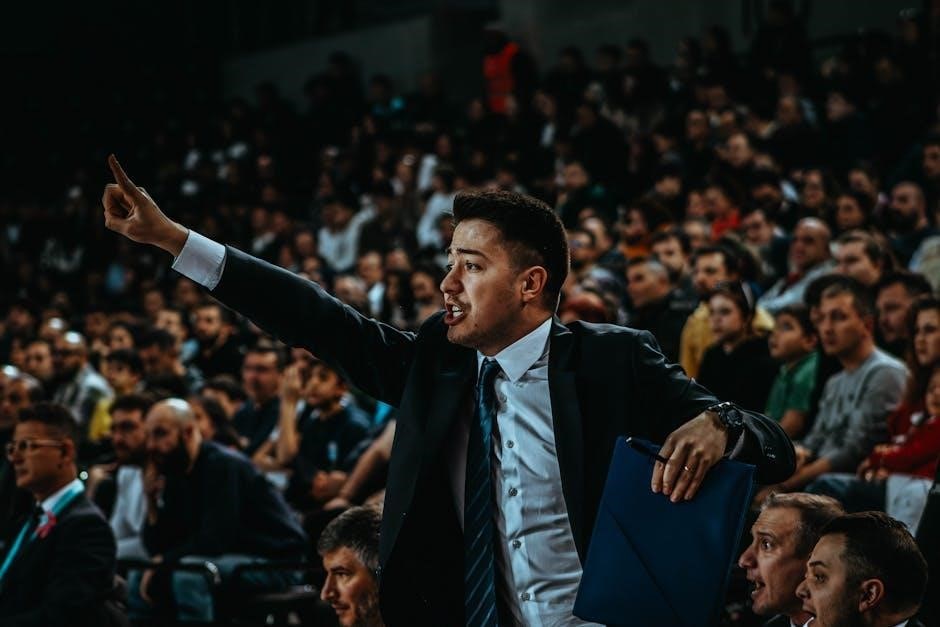
A real winning attitude, according to Coach K, transcends mere victory; it’s a fundamental mindset focused on character, resilience, and unwavering commitment to excellence.
Defining a Real Winning Attitude
Coach K’s perspective on a “real winning attitude” extends far beyond the scoreboard, emphasizing a holistic approach to success; It’s not simply about achieving victories, but about how those victories are attained and the character developed along the way.
This attitude is rooted in honor, integrity, and a relentless pursuit of improvement. It’s about embracing challenges, learning from failures, and consistently striving to be better – not just as individuals, but as a cohesive unit. A true winning attitude fosters resilience, encourages mutual support, and prioritizes the collective good over personal accolades.
Ultimately, it’s a mindset that permeates every aspect of the team’s culture, creating a lasting legacy that transcends any single season or championship.