
Navigating the world of golf gloves requires understanding proper sizing for optimal performance and comfort on the course; a well-fitted glove enhances your grip.
Why Proper Golf Glove Fit Matters
A correctly sized golf glove is paramount for a consistent and reliable grip, directly impacting shot accuracy and overall performance. Ill-fitting gloves – whether too tight or too loose – can compromise your ability to maintain control of the club throughout the swing. A glove that’s too tight restricts movement, causing tension and potentially leading to fatigue during a round. Conversely, a loose glove allows slippage, diminishing feel and control, and increasing the risk of mishits.
Beyond performance, proper fit enhances comfort, preventing blisters and discomfort that can distract you from your game. Choosing the right size minimizes friction and allows for a natural hand position, promoting a more relaxed and confident swing. Ignoring glove fit can ultimately hinder your enjoyment of the sport and potentially affect your scores. Prioritizing a proper fit is a simple yet crucial step towards elevating your golfing experience.
The Importance of Grip and Comfort
The golf grip is the sole connection between you and the club, making a secure and comfortable hold absolutely essential. A properly fitted glove maximizes this connection, providing the necessary tackiness and feel to maintain control throughout the swing’s arc. Comfort is equally vital; a glove that feels good on your hand allows for a relaxed grip, preventing tension that can negatively impact swing mechanics and distance.
Without adequate grip and comfort, golfers often subconsciously tighten their hold, leading to reduced clubhead speed and accuracy. A comfortable glove allows for a lighter, more fluid swing, promoting consistency and power. Furthermore, minimizing friction reduces the risk of blisters and hand fatigue, enabling you to focus on your game for the entire round. Prioritizing both grip and comfort through proper glove sizing is a fundamental aspect of successful golf.

Understanding Golf Glove Sizes
Golf glove sizing isn’t one-size-fits-all; charts correlate hand circumference and finger length to determine the correct fit, varying slightly by brand.
Standard Golf Glove Sizing Charts
Utilizing standard golf glove sizing charts is crucial for finding your perfect fit, as sizes aren’t universal across all brands. These charts typically rely on two key measurements: hand circumference and finger length. Hand circumference is measured around the widest part of your palm, just below the knuckles, while finger length is taken from the crease of your wrist to the tip of your longest finger.
Common sizing ranges include sizes 6 (XS) through 12 (XXL), though variations exist. A size 7, for example, generally corresponds to a hand circumference of 18cm (approximately 7 inches). Many charts provide conversions between centimeters and inches for convenience. Remember that these are guidelines; individual preferences and brand-specific fits can influence the ideal size. Referencing a chart like the one showing sizes 6 (XS) to 9 (L) with corresponding hand circumferences of 17cm to 20cm is a good starting point. Always consult the specific brand’s chart when possible.
Men’s Golf Glove Sizes
Generally, men’s golf glove sizes range from medium (M) to extra-large (XL), with cadet sizes also available to accommodate wider palms and shorter fingers. A typical men’s medium glove fits a hand circumference of approximately 19-20cm (7.5-8 inches). Larger hands, around 21-22cm (8.3-8.7 inches), usually require a large or extra-large size. It’s important to note that sizing can vary between manufacturers, so checking specific brand charts is essential.
Many men find that a slightly snug fit is preferable, allowing for better feel and control. However, avoid gloves that are overly tight, as they can restrict movement and cause discomfort. Consider the material; cabretta leather tends to stretch slightly with use, while synthetic materials maintain their shape better. Sizes like 18(S), 19(M), 20(L), and 21(XL) are common indicators, but always verify with the brand’s sizing guide for accurate results.
Women’s Golf Glove Sizes
Women’s golf glove sizes typically range from extra-small (XS) to large (L), catering to a wider variety of hand shapes and sizes. A common size for women is 7 (S), fitting a hand circumference of around 18cm (7 inches). Size 8 (M) generally suits a 19cm (7.5 inch) circumference, while a 9 (L) fits approximately 20cm (8 inches). Like men’s gloves, variations exist between brands, making it crucial to consult specific size charts.
Women often have smaller hands and narrower palms, so cadet sizing isn’t as frequently needed. However, it’s still an option for those with wider palms. Glove sizes 6 (XS), 7 (S), 8 (M), and 9 (L) are frequently seen, alongside corresponding finger length measurements. A comfortable, secure fit is vital for optimal grip and preventing blisters. Always prioritize a snug, but not constricting, feel when selecting a women’s golf glove.

Measuring Your Hand for a Golf Glove
Accurate hand measurements, including circumference and finger length, are essential for determining the correct golf glove size, ensuring optimal grip and comfort during play.
How to Measure Hand Circumference
To accurately measure your hand circumference for a golf glove, you’ll need a flexible measuring tape. Begin by placing the tape around the widest part of your palm, excluding your thumb. Ensure the tape is snug but not overly tight – you want a comfortable, accurate reading.
Wrap the tape around your hand, keeping it parallel to the base of your fingers. Note the measurement in centimeters or inches. Referencing a sizing chart is crucial; for example, a circumference of 18cm typically corresponds to a size 7 (Small) glove, while 19cm suggests a size 8 (Medium).
Different brands may have slight variations, so always consult the specific chart for the glove you intend to purchase. Precise measurement is key to avoiding a glove that’s either too loose or constricting, impacting your grip and overall performance on the golf course. Remember to measure both hands, as sizes can differ!
How to Measure Finger Length
Accurately determining your finger length is another vital step in finding the perfect golf glove fit. Start by placing a ruler or measuring tape against the base of your index finger. Extend the tape measure to the tip of your longest finger – this is usually the middle finger, but can vary.
Record this measurement in centimeters or inches. A typical size Small glove might require a finger length between 6.5 and 7 centimeters, while a Medium could need 7 to 7.5 centimeters. Again, brand-specific sizing charts are essential, as these measurements can fluctuate.
Pay attention to whether the chart asks for measurement to the first joint or the fingertip. Comparing your finger length measurement with the chart will help refine your glove size selection. This ensures the fingers of the glove aren’t too short or excessively long, impacting comfort and control during your swing.
Converting Measurements to Glove Size
Once you’ve obtained your hand circumference and finger length measurements, the next step is converting them into a corresponding glove size. Utilize a standard golf glove sizing chart as a primary reference point; however, remember these are general guidelines.
For example, a hand circumference of 18 centimeters often translates to a size Medium (M), while 19 centimeters might indicate a Large (L). Combine this with your finger length – if your finger length falls between size ranges, prioritize the measurement that aligns best with the majority of your hand dimensions.
Crucially, always consult the specific brand’s size chart, as variations exist. Some brands offer Cadet sizing for those with shorter fingers and wider palms. Don’t hesitate to try on multiple sizes if possible, to ensure a snug, comfortable fit that doesn’t restrict movement.
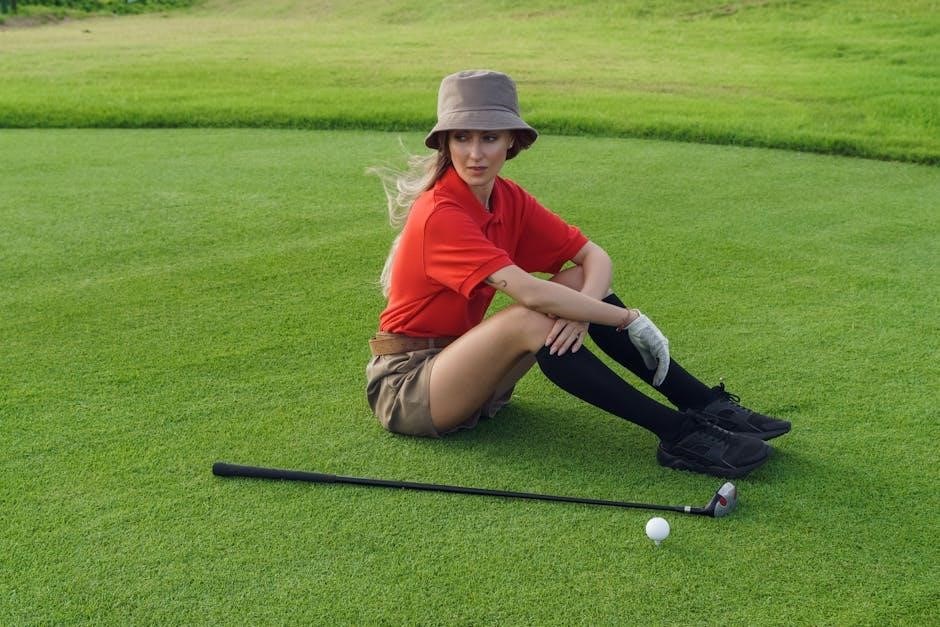
Golf Glove Materials and Their Impact on Fit
Different materials—Cabretta leather, all-weather fabrics, and synthetics—affect glove fit; leather tends to stretch, while synthetics offer a more consistent, snug feel.
Cabretta Leather Gloves
Cabretta leather gloves, renowned for their exceptional feel and grip, are crafted from the finest sheepskin. However, this premium material exhibits a tendency to stretch with use, impacting the initial fit. When selecting a Cabretta leather glove, many golfers opt for a slightly snugger fit, anticipating this natural expansion.
It’s crucial to consider that the amount of stretch can vary based on factors like humidity and individual perspiration levels. A glove that feels comfortably firm during the initial wear will likely provide an ideal fit after a few rounds. Be mindful of finger length; a proper fit ensures unrestricted movement during your swing.
Some manufacturers address this stretch factor with pre-treated leather or specific construction techniques. Always refer to the brand’s sizing chart, as Cabretta leather glove fits can differ slightly between brands; Prioritize a secure grip without excessive tightness to maintain comfort and prevent blisters.
All-Weather Golf Gloves
All-weather golf gloves, designed for play in diverse conditions, typically utilize synthetic materials or a combination of leather and synthetic blends. These gloves generally maintain their shape and size more consistently than Cabretta leather, reducing the stretching concerns. Therefore, a more precise fit is achievable from the outset.
When sizing an all-weather glove, prioritize a snug, secure fit that doesn’t restrict finger movement. Pay close attention to hand circumference, as these gloves often have less give than traditional leather options. Check for adequate coverage across the palm and fingers to ensure a consistent grip in wet or humid conditions.
Manufacturers often incorporate breathable fabrics to manage moisture, enhancing comfort during extended play. Refer to the specific brand’s sizing chart, as synthetic materials can vary in their elasticity and overall fit characteristics. A well-fitted all-weather glove provides reliable performance regardless of the weather.
Synthetic Golf Gloves
Synthetic golf gloves represent a cost-effective and durable alternative to leather, often favored for their consistent performance in varying weather conditions. These gloves generally offer a more predictable fit, as they are less prone to stretching or shrinking compared to Cabretta leather.
When selecting a synthetic glove, focus on achieving a snug yet comfortable fit. Unlike leather, synthetic materials don’t mold to the hand as readily, so accurate measurements are crucial. Pay particular attention to the palm and finger areas, ensuring a secure grip without excessive tightness.
Many synthetic gloves incorporate features like enhanced breathability and moisture-wicking properties. Always consult the manufacturer’s specific sizing chart, as synthetic blends can differ significantly in elasticity and overall dimensions. A properly fitted synthetic glove delivers reliable grip and comfort throughout your round.

Specific Brand Sizing Considerations
Brand sizing varies; Cadet gloves run smaller, requiring a larger size, while Racer gloves offer specific charts based on hand circumference and finger length.
Cadet Sizing Explained
Cadet golf gloves are specifically designed for golfers with shorter fingers and wider palms, a common hand shape often overlooked by standard sizing. These gloves typically run smaller than conventional sizes, meaning you’ll likely need to size up – potentially even two sizes up – to achieve a comfortable and secure fit.
Many golfers find that standard gloves feel too long in the fingers, leading to bunching and reduced feel. Cadet sizing addresses this issue by offering a more proportional fit. For example, a golfer who usually wears a Medium (M) in a standard glove might require a Medium Large (ML) or even a Large (L) in a Cadet glove.
It’s crucial to consult a Cadet-specific size chart, as variations can exist between brands. Pay close attention to both hand circumference and finger length measurements to ensure the best possible fit. A glove that’s too tight will restrict movement, while one that’s too loose will compromise grip and control.
Racer Glove Size Chart
Racer gloves offer a unique sizing approach, particularly for women, demanding precise measurements for optimal performance. Their size chart correlates glove size with both hand circumference and finger length, ensuring a tailored fit. A size 6 (XS) Racer glove corresponds to a 17cm hand circumference, while size 7 (S) fits 18cm. Moving up, size 8 (M) accommodates 19cm, and size 9 (L) suits a 20cm circumference.
Finger length is equally important; size S requires a 6.5-7cm finger length, M needs 7-7.5cm, L fits 7.5-8cm, and larger sizes follow a similar progression. It’s vital to measure accurately, as Racer gloves are known for their snug, performance-oriented fit.
Unlike some brands, Racer gloves generally adhere closely to their stated sizing, minimizing the need for extensive guesswork. However, individual hand variations exist, so referencing the chart and potentially trying on different sizes is recommended for the perfect feel and grip.

Troubleshooting Common Golf Glove Fit Issues
Addressing fit problems—too tight, too loose, or mismatched finger lengths—is crucial for maintaining a secure grip and comfortable swing during your golf game.
Glove Too Tight
If your golf glove feels uncomfortably snug, restricting finger movement or causing pressure points, it’s likely too small. A tight glove hinders your ability to maintain a relaxed grip, leading to tension in your hands and arms, ultimately impacting swing fluidity and power. One golfer recounted accidentally purchasing a Cadet ML size instead of their usual, finding it excessively tight and requiring an immediate exchange.
Signs of a too-tight glove include difficulty pulling it on or off, noticeable constriction when making a fist, and potential discomfort during the swing. Prolonged use of a glove that’s too small can even lead to blisters or hand fatigue. Consider sizing up to the next available size, prioritizing comfort and freedom of movement. Remember, a properly fitted glove should feel secure but not restrictive.
Always check sizing charts specific to the brand, as variations exist. If you’re between sizes, it’s generally recommended to opt for the larger size to avoid hindering your performance.
Glove Too Loose
A golf glove that’s too large compromises grip security and feel, potentially causing the club to slip during the swing. This lack of connection can lead to inconsistent shots and reduced control. Many golfers experience this issue, finding their usual medium size gloves feel loose around the fingers and hand, creating hesitation when considering a smaller size due to potential wrist length concerns.
Indicators of a loose-fitting glove include excessive material bunching up, particularly around the fingers, and a lack of snugness when gripping the club. You might notice the glove sliding or shifting during your swing, requiring constant readjustment. This can be distracting and negatively impact your focus.
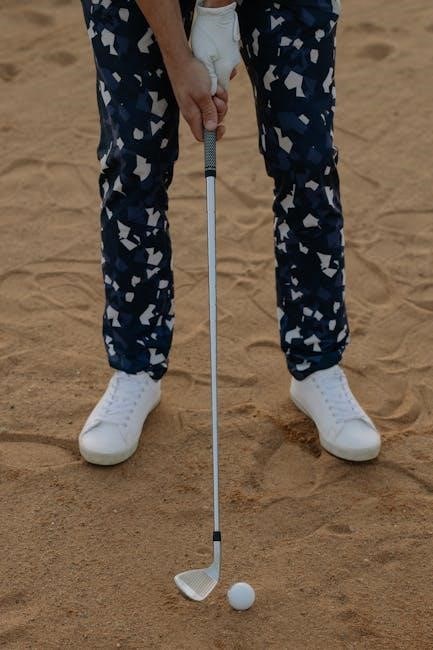
If your glove feels loose, try sizing down; Ensure the glove maintains a secure fit without restricting movement. A snug, yet comfortable, fit is crucial for optimal performance and control on the golf course. Refer to brand-specific sizing charts for accurate measurements.
Finger Length Discrepancies
Often, golfers find standard sizing doesn’t perfectly accommodate individual hand proportions, leading to discrepancies in finger length fit. Some may experience gloves that are comfortable in the palm but too short or long in the fingers. This is a common issue, as hand shapes vary significantly.

If the fingers are too short, it restricts movement and can cause discomfort, hindering a proper grip. Conversely, excessively long fingers can create bunching and reduce tactile feedback. Accurate measurement of both hand circumference and finger length is vital to address this.
Consider brands offering specific sizing options, like “Cadet” sizing, designed for shorter fingers and wider palms. Carefully compare your measurements to the brand’s size chart, paying close attention to both dimensions. Don’t hesitate to try multiple sizes to find the best fit for your unique hand shape.

Golf Glove Usage and Care
Proper glove wearing and consistent cleaning are essential for maintaining grip, extending lifespan, and ensuring optimal performance during each round of golf.

Proper Glove Wearing Techniques
Ensuring a correct fit begins with how you put on the glove; avoid stretching it excessively during application, as this can compromise its shape and grip over time. Most golfers, particularly right-handed players, wear a glove on their lead hand – the left hand – to enhance control and prevent slippage during the swing.
When sliding your hand into the glove, gently work your fingers into each individual slot, ensuring a snug but not constricting fit. The glove should feel like a second skin, allowing for natural hand movement. Avoid bunching or wrinkling, as these can create pressure points and affect your grip.
Many golfers only utilize one glove, but some prefer wearing two, especially in wet or humid conditions. If using two gloves, ensure both fit properly and don’t hinder your swing mechanics. Remember, a properly worn glove is the first step towards a confident and controlled golf game.
Cleaning and Maintaining Your Golf Glove
Prolonging the life of your golf glove requires consistent cleaning and proper storage after each round. Moisture is the enemy; immediately remove the glove after play and allow it to air dry naturally, away from direct sunlight or heat sources, which can cause cracking and shrinkage.
For lightly soiled gloves, a damp cloth can remove surface dirt. More thorough cleaning may involve specialized glove cleaning solutions, gently applied with a soft brush. Avoid harsh detergents or machine washing, as these can damage the leather or synthetic materials.
Once dry, store your glove flat or using a glove form to maintain its shape. Avoid folding or crumpling it, as this can create creases and weaken the material. Regular maintenance ensures optimal grip and extends the glove’s usability, saving you replacements and maintaining performance.