Drug administration routes significantly impact efficacy and safety‚ influencing absorption‚ distribution‚ metabolism‚ and excretion. Selecting the optimal route‚ considering factors like
patient condition and drug properties‚ is crucial for therapeutic success.
Importance of Route Selection
Choosing the correct drug administration route is paramount for achieving the desired therapeutic outcome. It directly influences the speed of onset‚ bioavailability – the fraction of the administered dose reaching systemic circulation – and the duration of action of a medication.
Incorrect route selection can lead to suboptimal drug levels‚ treatment failure‚ or even increased adverse effects. For instance‚ oral administration might be unsuitable for drugs poorly absorbed in the gastrointestinal tract‚ while an intravenous route offers rapid delivery in emergencies.
Patient-specific factors‚ such as age‚ disease state‚ and ability to swallow‚ also dictate the most appropriate route. Ultimately‚ a well-considered route selection maximizes drug efficacy and minimizes risks‚ contributing to improved patient care.
Factors Influencing Route Choice
Several key factors guide the selection of a drug administration route. Physicochemical properties of the drug – solubility‚ stability‚ and molecular weight – significantly impact absorption via different routes. Patient characteristics‚ including age‚ consciousness‚ and gastrointestinal function‚ are also crucial considerations.
The disease state itself influences the choice; for example‚ vomiting precludes oral administration. Desired speed of onset is vital – IV routes are fastest‚ while oral routes are slower. Bioavailability‚ the proportion of drug reaching systemic circulation‚ varies greatly between routes.
Finally‚ convenience and cost play a role‚ with oral administration generally being the most convenient and cost-effective. Healthcare professionals carefully weigh these factors to optimize drug delivery and therapeutic outcomes.

Enteral Routes of Drug Administration
Enteral administration encompasses routes involving the gastrointestinal tract‚ including oral‚ sublingual‚ buccal‚ and rectal delivery‚ utilizing the body’s natural absorption mechanisms.
Oral Administration
Oral administration remains the most common and convenient drug delivery route‚ offering simplicity and patient compliance. Medications are swallowed and absorbed primarily in the small intestine‚ influenced by factors like gastric emptying‚ intestinal motility‚ and drug formulation.
However‚ bioavailability can be limited due to first-pass metabolism in the liver‚ where a significant portion of the drug is metabolized before reaching systemic circulation. This process reduces the amount of active drug available to exert its therapeutic effect. Furthermore‚ gastrointestinal conditions and interactions with food can also affect absorption rates and overall drug efficacy. Despite these challenges‚ oral administration continues to be widely utilized for a broad spectrum of medications.
Advantages of Oral Route
The oral route presents numerous advantages‚ primarily its convenience and ease of administration‚ fostering excellent patient adherence. It’s generally non-invasive‚ avoiding the discomfort associated with injections or other routes. Oral formulations are often cost-effective to manufacture‚ contributing to lower healthcare expenses.
Furthermore‚ oral administration allows for self-medication‚ empowering patients to manage their conditions independently. A wide range of drug formulations‚ including tablets‚ capsules‚ and liquids‚ are available for oral delivery‚ offering flexibility in dosage forms. However‚ it’s crucial to remember that bioavailability can be a limiting factor‚ and the onset of action is typically slower compared to other routes.
Disadvantages of Oral Route
Despite its convenience‚ the oral route possesses several drawbacks. First-pass metabolism in the liver significantly reduces bioavailability for some drugs‚ diminishing the amount reaching systemic circulation. Gastric acid can degrade certain medications‚ hindering their absorption. Variable absorption rates‚ influenced by factors like food intake and gastrointestinal motility‚ can lead to inconsistent drug levels.
The onset of action is typically slower compared to parenteral routes‚ making it unsuitable for emergencies. Patient compliance can be an issue‚ and the route is not ideal for patients with nausea‚ vomiting‚ or difficulty swallowing. Some drugs directly irritate the gastrointestinal tract‚ causing discomfort or adverse effects.
Sublingual and Buccal Administration
Sublingual and buccal administration involve placing the drug under the tongue or between the gum and cheek‚ respectively. These routes allow for rapid absorption directly into the bloodstream‚ bypassing the first-pass metabolism in the liver. This results in a higher bioavailability and quicker onset of action compared to oral administration.
The rich vascularity of these areas facilitates efficient drug absorption. However‚ only small‚ highly soluble‚ and potent drugs are suitable for these routes due to the limited space. Patients must avoid swallowing or eating while the drug is dissolving. These methods are ideal for medications requiring rapid effects or those susceptible to degradation in the gastrointestinal tract.
Mechanisms and Absorption
Sublingual absorption relies on the highly vascularized mucosa under the tongue‚ allowing direct entry into systemic circulation. Drugs dissolve rapidly‚ bypassing hepatic first-pass metabolism‚ leading to quicker onset. Buccal absorption‚ through the cheek mucosa‚ is slightly slower but still avoids significant first-pass effects.
Absorption rates depend on factors like drug solubility‚ molecular weight‚ and mucosal blood flow. Lipid-soluble drugs generally absorb more readily. Saliva plays a role in dissolving the drug‚ and patient factors like saliva production can influence absorption. These routes prioritize speed and bioavailability‚ making them suitable for specific formulations and therapeutic needs.
Drugs Suitable for Sublingual/Buccal Delivery
Nitroglycerin‚ for angina‚ is a prime example‚ benefiting from rapid absorption to quickly relieve chest pain. Buprenorphine‚ used for opioid dependence‚ utilizes this route for effective and faster onset of action‚ managing withdrawal symptoms. Certain hormones‚ like testosterone‚ can also be delivered sublingually or buccally‚ offering an alternative to injections.
Drugs requiring rapid effects or those susceptible to first-pass metabolism are ideal candidates. The limited capacity of the oral mucosa restricts the size of the dosage form. Patient compliance and proper technique are crucial for optimal drug delivery and therapeutic outcomes with these methods.
Rectal Administration
Rectal drug delivery offers a valuable alternative when oral administration is impractical‚ such as in vomiting‚ unconsciousness‚ or swallowing difficulties. The rectum’s rich blood supply allows for relatively rapid absorption‚ bypassing first-pass metabolism to some extent. However‚ absorption can be variable and incomplete‚ influenced by factors like rectal tone‚ fecal content‚ and blood flow.
Physiological considerations include the rectum’s limited capacity and potential for irritation. This route is commonly used for medications like antiemetics‚ antipyretics‚ and certain cardiovascular drugs. It’s particularly useful in pediatric and geriatric populations where oral compliance is challenging.
Physiological Considerations
Rectal physiology presents unique challenges and opportunities for drug delivery. The rectum’s blood supply‚ derived from the superior‚ middle‚ and inferior rectal veins‚ facilitates absorption‚ though it’s less extensive than in the small intestine. Rectal tone‚ influenced by factors like posture and bowel habits‚ impacts drug retention.
Fecal content can significantly hinder absorption‚ creating a barrier between the drug and the rectal mucosa. Mucosal blood flow variations also affect the rate and extent of drug uptake. Furthermore‚ the rectum’s sensitivity can lead to discomfort or irritation with certain formulations. These factors necessitate careful formulation design to optimize drug bioavailability and patient comfort.
Applications of Rectal Drug Delivery
Rectal drug delivery proves valuable when oral administration is impractical‚ such as in patients experiencing vomiting‚ unconsciousness‚ or difficulty swallowing. It’s particularly useful for delivering medications for localized conditions like hemorrhoids or inflammatory bowel disease‚ offering direct therapeutic action.
Furthermore‚ rectal administration bypasses first-pass metabolism in the liver‚ increasing bioavailability for certain drugs. This route is frequently employed for antipyretics in children‚ providing rapid fever reduction. Medications for seizures‚ pain management‚ and even some hormonal therapies can also be effectively delivered rectally‚ offering a versatile alternative to other routes.
Parenteral Routes of Drug Administration
Parenteral routes‚ including intravenous‚ intramuscular‚ and subcutaneous‚ bypass the gastrointestinal tract‚ offering rapid drug delivery and higher bioavailability for effective systemic effects.
Intravenous (IV) Administration
Intravenous (IV) administration directly introduces drugs into the bloodstream‚ providing the quickest onset of action and 100% bioavailability. This route allows for precise control over drug dosage and is suitable for administering large volumes of fluids or medications.
However‚ IV administration carries risks‚ including infection at the injection site‚ thrombophlebitis‚ and potential for rapid adverse reactions due to the immediate systemic effect. Careful monitoring of the patient is essential.
Considerations for IV drug compatibility are paramount; drugs must be compatible with intravenous fluids to prevent precipitation or inactivation. Healthcare professionals must adhere to strict aseptic techniques during IV preparation and administration to minimize infection risk and ensure patient safety.
Advantages and Disadvantages of IV Route
Advantages of the intravenous (IV) route include rapid drug delivery‚ achieving immediate therapeutic effects‚ and bypassing first-pass metabolism in the liver. It allows for precise dosage control and is ideal for patients unable to take oral medications. Complete bioavailability ensures the entire dose reaches systemic circulation.
Disadvantages involve inherent risks like infection (sepsis)‚ thrombophlebitis‚ and potential for fluid overload. IV administration requires skilled personnel and careful monitoring for adverse reactions due to the drug’s immediate systemic impact. It’s also less convenient for self-administration compared to oral routes.
Considerations for IV Drug Compatibility
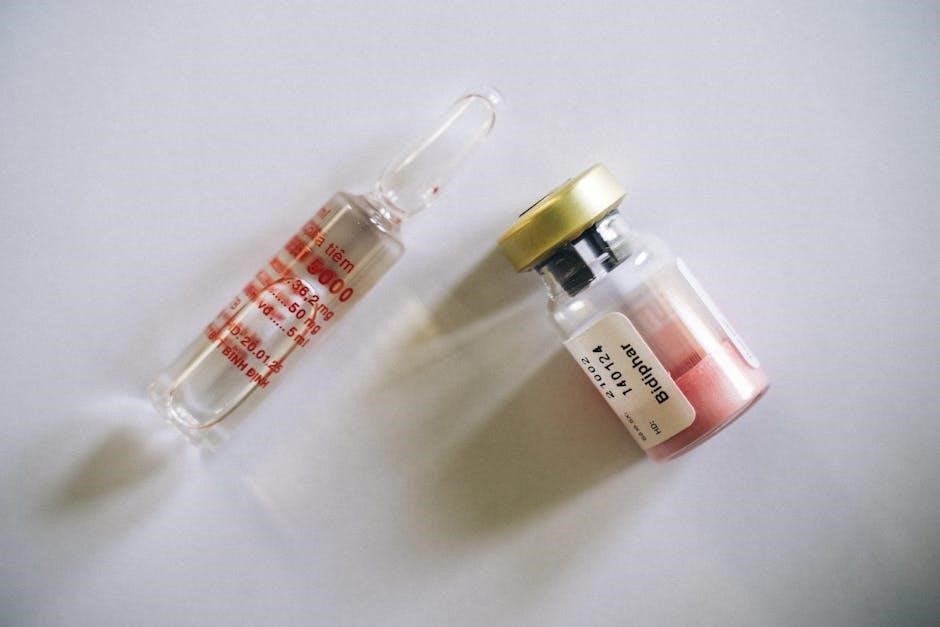
IV drug compatibility is paramount to patient safety. Mixing incompatible medications can lead to precipitation‚ rendering the infusion ineffective or causing potentially fatal adverse reactions like embolism or hemolysis. Healthcare professionals must consult drug compatibility charts and pharmacy resources before administering multiple IV drugs simultaneously.
Factors like pH‚ electrolyte concentrations‚ and chemical properties influence compatibility. Certain drugs require specific IV solutions (e.g.‚ saline vs. dextrose). Careful assessment of drug interactions‚ including synergistic or antagonistic effects‚ is also crucial. Proper technique‚ including flushing the IV line between medications‚ minimizes the risk of incompatibility issues and ensures optimal patient outcomes.
Intramuscular (IM) Administration
Intramuscular (IM) administration involves injecting medication directly into a muscle tissue‚ offering relatively rapid absorption compared to subcutaneous routes. This method is suitable for moderate volumes of medication and drugs that may be irritating to subcutaneous tissues; Common injection sites include the deltoid‚ vastus lateralis‚ and gluteus maximus muscles.
Proper technique is vital‚ including selecting the appropriate needle length and gauge based on the patient’s muscle mass and injection volume. Avoiding intramuscular injection into damaged or inflamed tissues is crucial. IM injections are frequently used for vaccines‚ antibiotics‚ and certain hormone therapies‚ providing a reliable and effective drug delivery method.
Site Selection for IM Injections
Choosing the correct intramuscular (IM) injection site is paramount for optimal drug absorption and minimizing complications. The deltoid muscle‚ located in the upper arm‚ is commonly used for smaller volumes‚ particularly vaccines‚ but is less suitable for larger doses due to limited muscle mass.
The vastus lateralis‚ in the thigh‚ is a preferred site for infants and children‚ offering a substantial muscle volume. The gluteus maximus‚ in the buttock‚ can accommodate larger volumes but requires careful anatomical landmarking to avoid sciatic nerve damage; Rotation of injection sites within a muscle is recommended to prevent tissue irritation and ensure consistent absorption.
Factors Affecting IM Absorption
Several physiological and drug-related factors influence the absorption rate of intramuscular (IM) injections. Blood flow at the injection site is critical; increased circulation‚ such as during exercise‚ enhances absorption‚ while decreased flow‚ like in shock‚ slows it down.
Drug properties‚ including solubility and molecular weight‚ also play a role. Aqueous solutions are generally absorbed faster than oil-based formulations. Muscle characteristics‚ such as tissue density and hydration‚ can affect absorption. Injection volume impacts the rate; larger volumes may take longer to absorb. Finally‚ individual patient factors like age and body composition contribute to variability.
Subcutaneous (SC) Administration
Subcutaneous (SC) injections involve administering drugs into the adipose tissue layer beneath the skin. This route offers slower‚ sustained absorption compared to intramuscular injections‚ making it suitable for drugs requiring prolonged action. Blood flow in subcutaneous tissue is generally lower‚ leading to a more gradual release of the medication into the systemic circulation.
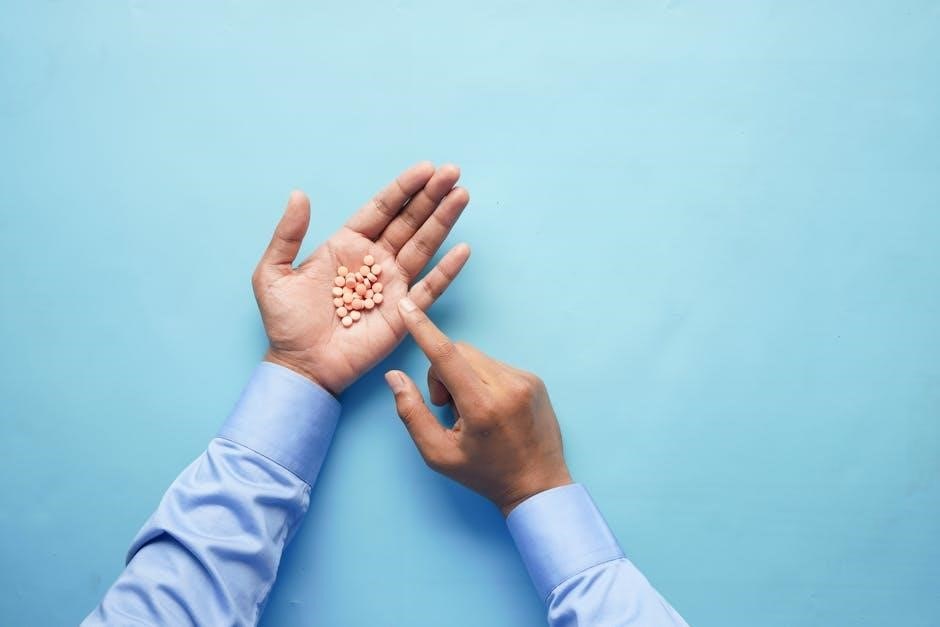
SC administration is commonly used for medications like insulin‚ heparin‚ and certain vaccines. The absorption rate is influenced by factors such as blood flow‚ injection site‚ and drug formulation. It’s generally well-tolerated‚ but proper technique is crucial to avoid discomfort or local reactions.
Absorption Characteristics of SC Injections
Subcutaneous absorption is primarily a passive diffusion process‚ dependent on the drug’s concentration gradient and its ability to cross the capillary walls. Unlike intramuscular injections‚ SC injections bypass significant muscle blood flow‚ resulting in a slower and more consistent absorption rate. This characteristic makes it ideal for drugs needing prolonged therapeutic effects.
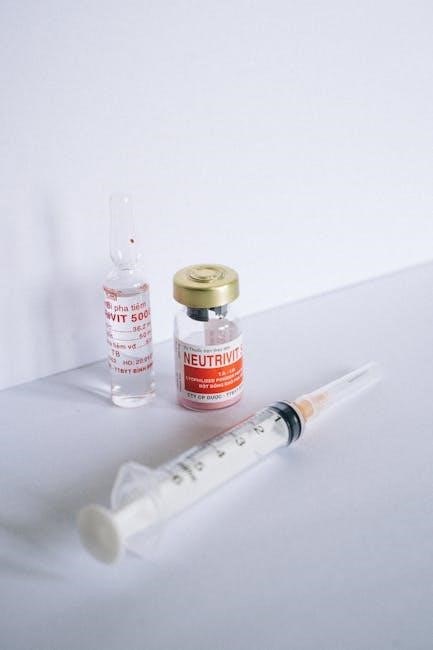
Factors influencing absorption include the injection site’s blood flow‚ the drug’s molecular weight and solubility‚ and the presence of vasoconstrictors or vasodilators. Hydration status also plays a role; adequate hydration enhances absorption. The absorption rate typically ranges from 30 to 60 minutes‚ but can vary significantly.
Drugs Commonly Administered Subcutaneously
Several medications are well-suited for subcutaneous administration due to their properties and desired therapeutic profiles. Insulin‚ for diabetes management‚ is a prime example‚ benefiting from the slow‚ sustained release offered by this route. Heparin‚ an anticoagulant‚ is frequently given subcutaneously for preventing and treating blood clots.
Other commonly administered drugs include certain vaccines‚ like those for influenza or COVID-19‚ and some hormone therapies. Epinephrine‚ used for anaphylactic reactions‚ is often available in auto-injectors for rapid SC delivery. The choice depends on factors like drug viscosity‚ volume‚ and patient needs‚ prioritizing safety and efficacy.
Other Routes of Drug Administration
Alternative methods‚ like transdermal patches and inhalation‚ offer unique advantages for specific drugs‚ bypassing first-pass metabolism and targeting localized effects efficiently.
Transdermal Administration
Transdermal drug delivery involves applying medication to the skin for systemic absorption. Successful permeation requires overcoming the skin’s barrier function‚ primarily the stratum corneum. Various drug delivery systems‚ including patches‚ are engineered to enhance this process.
These systems utilize chemical enhancers‚ physical methods like microneedles‚ or lipid-based formulations to increase drug solubility and penetration. Examples of transdermal patches include those delivering nicotine‚ hormones (estrogen‚ testosterone)‚ and pain relievers (fentanyl‚ lidocaine);
This route offers sustained release‚ avoids first-pass metabolism‚ and improves patient compliance. However‚ it’s limited to potent drugs with suitable physicochemical properties and can cause local skin irritation.
Skin Permeation and Drug Delivery Systems
Skin permeation is a complex process governed by Fick’s Law‚ influenced by drug characteristics (molecular weight‚ lipophilicity) and skin condition (hydration‚ integrity). The stratum corneum presents the primary barrier‚ necessitating strategies to enhance drug transport across it.

Drug delivery systems employed include passive diffusion (relying on concentration gradient)‚ chemical enhancers (altering skin barrier)‚ and physical methods like iontophoresis and microneedles. Liposomes and nanoparticles encapsulate drugs‚ improving solubility and penetration.
Occlusive dressings maintain hydration‚ boosting permeation. Matrix patches provide controlled release‚ while reservoir systems offer higher drug loading. System design aims to optimize drug flux‚ minimize irritation‚ and ensure sustained therapeutic levels.
Examples of Transdermal Patches
Scopolamine patches are widely used to prevent motion sickness‚ delivering a consistent dose over several days. Nicotine patches aid smoking cessation by providing controlled nicotine release‚ reducing cravings and withdrawal symptoms. Fentanyl patches offer long-lasting pain management for chronic conditions‚ bypassing first-pass metabolism.
Estrogen and testosterone patches deliver hormone replacement therapy‚ maintaining stable hormone levels. Clonidine patches treat hypertension by gradually releasing the medication‚ minimizing fluctuations in blood pressure. Newer patches incorporate advanced technologies for enhanced drug delivery.
These examples demonstrate the versatility of transdermal delivery‚ offering convenience‚ improved compliance‚ and reduced systemic side effects compared to oral administration.
Inhalation Administration
Inhalation offers rapid drug delivery directly to the lungs‚ ideal for respiratory conditions. The lung physiology allows for large surface area absorption‚ bypassing systemic circulation for localized effects. This route is particularly effective for asthma and chronic obstructive pulmonary disease (COPD).
Drug absorption depends on particle size and formulation‚ influencing deposition within the respiratory tract. Devices like metered-dose inhalers (MDIs)‚ dry powder inhalers (DPIs)‚ and nebulizers facilitate drug delivery. Proper technique is crucial for optimal drug deposition.
Inhalation minimizes systemic side effects‚ but requires patient cooperation and coordination. It’s also used for delivering anesthetics and systemic medications when rapid onset is needed.
Lung Physiology and Drug Absorption
Lung physiology is uniquely suited for drug delivery‚ featuring a vast alveolar surface area – approximately 70 square meters – facilitating rapid absorption. Airway branching creates diverse deposition sites‚ impacting drug bioavailability. Particle size dictates deposition; larger particles impact upper airways‚ while smaller ones reach alveoli.
Drug absorption across the alveolar epithelium occurs via passive diffusion‚ driven by concentration gradients. Blood flow and mucociliary clearance influence residence time and systemic uptake. Lipid solubility enhances absorption‚ while water solubility promotes clearance.
Regional blood flow variations within the lungs also affect drug distribution. Understanding these physiological factors is crucial for optimizing inhaled drug formulations and maximizing therapeutic efficacy.
Devices Used for Inhalation Drug Delivery
Numerous devices facilitate inhalation drug delivery‚ each with distinct characteristics impacting aerosol generation and deposition. Metered-dose inhalers (MDIs) utilize propellants to create an aerosol‚ often requiring coordination. Dry powder inhalers (DPIs) deliver medication as a dry powder‚ activated by inspiratory effort.
Nebulizers convert liquid formulations into a fine mist‚ suitable for patients with limited inspiratory capacity. Soft mist inhalers (SMIs) generate a slow-moving‚ moist aerosol‚ potentially enhancing lung deposition. Device selection depends on patient factors‚ drug properties‚ and desired therapeutic outcome.
Proper technique is crucial for effective drug delivery with any inhalation device‚ and patient education is paramount for maximizing benefit.